Salman Al-Nasser
Principal Architect, ZNSO Architects
You've got the land. Maybe you've even sketched ideas on a napkin. But somewhere between that first spark and actually living in your villa, there's a process that most homeowners in Kuwait don't fully understand until they're deep into it, and by then, mistakes are expensive.
If you want to know how to build a villa in Kuwait the right way, this guide walks you through every stage, from evaluating your plot to collecting your keys. Not theory. Not Dubai advice repackaged for Kuwait. This is the actual Kuwait villa building process, written by architects who manage it with clients every year.
"Most of the confusion around building a villa in Kuwait comes from one thing: homeowners don't know what they don't know. They hear a cost estimate, they sign a contract, and they expect a home. The process between those steps is where projects either succeed or fall apart."
Let's break it down.
The Seven Stages of Building a Villa in Kuwait
Every villa project in Kuwait follows a predictable sequence, whether it's a 400 sqm family home or a 1,200 sqm compound. The timeline varies, but the structure doesn't. A typical luxury villa takes 18 to 24 months from design concept to handover, including 3 to 5 months for Kuwait Municipality permit approvals.
Here are the seven stages that define the process.
Stage 1: Site Analysis and Land Assessment
Everything starts with the land. Before any design work begins, your architect needs to understand what the plot allows, what it restricts, and what it demands.
This means reviewing the Kuwait Municipality affection plan for your plot, which spells out the building envelope you're working within. Plot ratios, setback requirements, maximum height, and permitted ground coverage all come from this document. Miss something here, and your drawings get rejected at the permit stage months later.
Soil testing comes next. Kuwait's terrain varies more than people expect, and the structural engineering for your foundation depends entirely on what's beneath the surface. Orientation matters too. How your villa sits on the plot affects passive cooling, natural light, and long term energy costs. Getting orientation right at this stage ties directly into sustainable design principles for Kuwait villas.
Stage 2: Concept Design and Client Brief
This is where your villa stops being an idea and starts becoming architecture. The concept design phase translates how you live, how you entertain, and how your family functions into spatial relationships and floor plans.
In Kuwait, certain design priorities are universal. Privacy planning is always central. The diwaniya needs its own entrance and separation from family spaces. Guest and family zones need clear boundaries. Outdoor areas need to connect to indoor living without compromising privacy from neighbors.
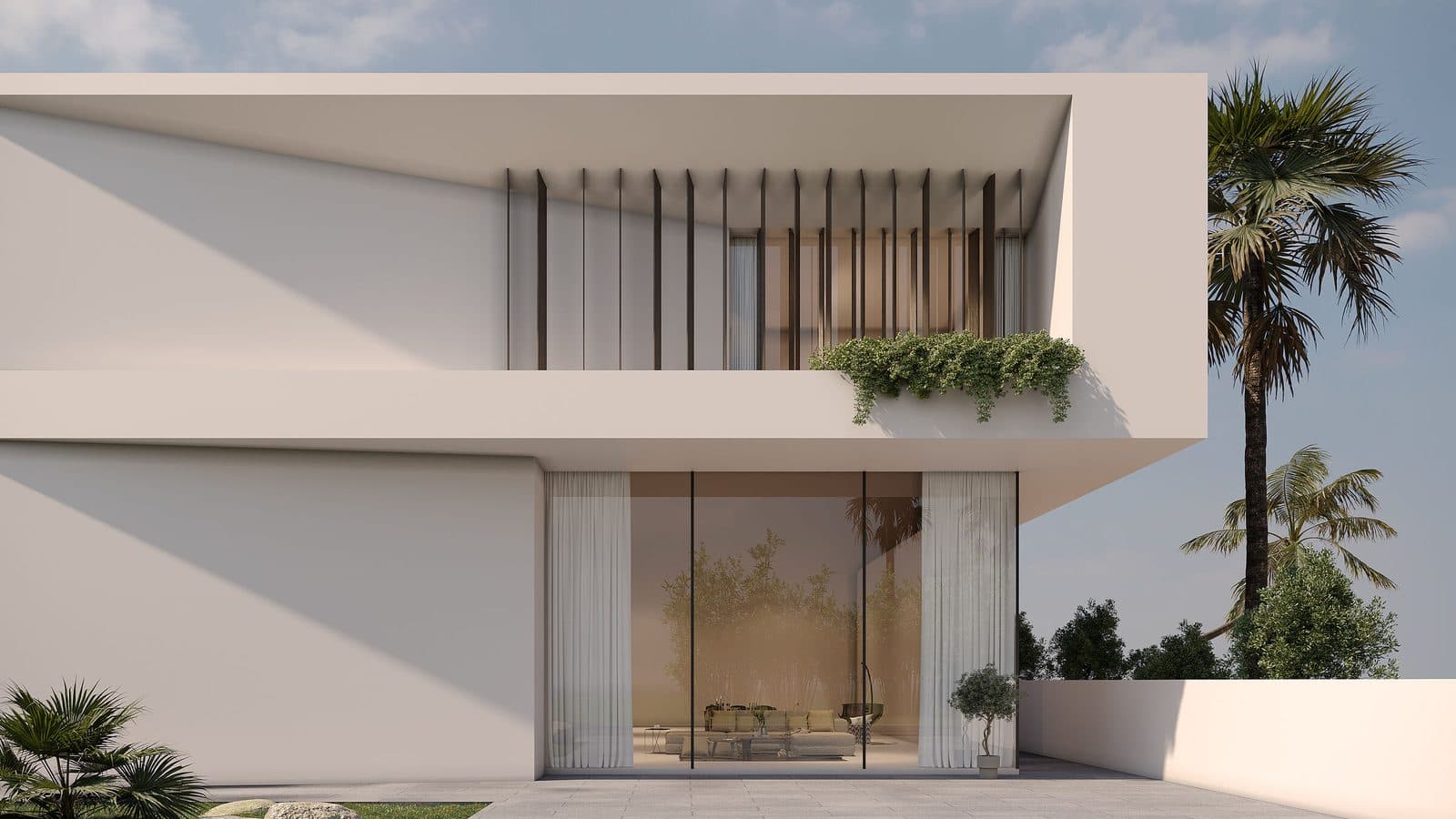
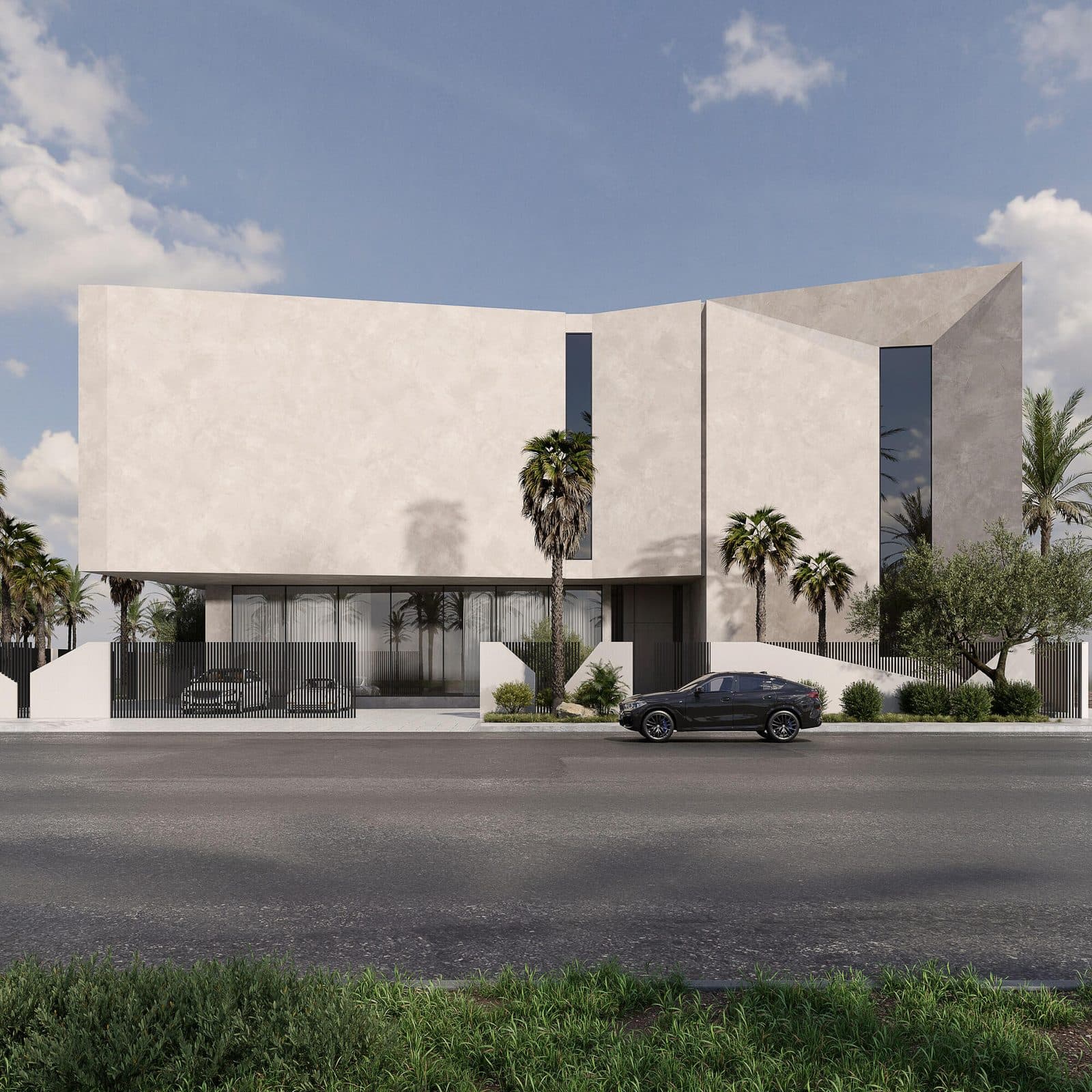
Your architect will produce concept sketches and 3D visualizations that let you see and feel the spaces before a single drawing goes to engineering. This is where you decide the architectural identity of your home, whether that's a clean contemporary expression or something that draws on heritage and modern design traditions in Kuwait villas.
Stage 3: Detailed Design and Engineering
Once the concept is approved, the project enters its most technical phase. Architectural drawings get developed into full construction documentation: floor plans, elevations, sections, and details at every scale.
Three separate engineering disciplines work in parallel. Structural engineers design the foundation, columns, beams, and slabs. MEP engineers (mechanical, electrical, and plumbing) design the systems that make the building function, from HVAC and water supply to electrical distribution and drainage. If you're planning to integrate technology infrastructure, this is the stage where smart home systems get designed into the villa's DNA, not bolted on afterward.
Material specification also happens here. Your architect selects the materials for the building envelope, including the facade design strategy for Kuwait's climate that determines both the look and the thermal performance of your home.
Stage 4: Kuwait Municipality Approvals and Permits
This is the stage that catches most homeowners off guard. Getting a building permit from Kuwait Municipality is not a formality. It's a technical review process with real teeth.
Kuwait Municipality requires a building permit obtained through its online portal before any residential construction can begin, with submissions including architectural, structural, MEP, and fire safety drawings. You'll also need a soil investigation report and fire department approval.
The typical approval timeline runs 3 to 5 months, though it can stretch longer if drawings require revisions. Common rejection reasons include setback violations, plot ratio exceedances, and incomplete MEP documentation. A good architect prevents these rejections by designing within the code from day one.
Worth noting: Kuwait's building regulations have been updated recently. Ministerial Resolution No. 206 of 2009 governs the foundation of residential building codes, but the 2025 amendments under Resolution No. 2024/288 and subsequent updates (including Resolution No. 2025/601 in November 2025) have changed building ratios, setback requirements, and construction work regulations. The Municipal Council also approved updated investment housing regulations in 2025. Your architect needs to be current on all of this.
Stage 5: Contractor Selection and Tendering
With approved drawings in hand, your architect prepares tender documents: the full construction package that contractors bid against. This includes drawings, specifications, bill of quantities, and contract terms.
Here's what experienced homeowners learn the hard way: the lowest bid is almost never the best bid. A contractor who underbids to win the job will recover that money through change orders, material substitutions, or delays. Your architect should evaluate bids on methodology, team experience, financial stability, and references, not just price.
Payment structures matter too. Milestone based payments tied to completed work stages protect you better than monthly draws. Your architect's role during this phase is to act as your technical advisor, making sure the contract protects your interests.
Stage 6: Construction and Project Management
Construction on a typical Kuwait luxury villa runs 12 to 18 months. That timeline depends on size, complexity, material availability, and weather.
Kuwait's climate directly affects construction scheduling. Summer months (June through August) bring temperatures above 50°C, which slows outdoor work and affects material curing times. Ramadan scheduling also reduces labor productivity. Smart project planning accounts for these realities instead of fighting them.
Material procurement is another Kuwait specific factor. The country relies heavily on imported finishes, and customs clearance, shipping delays, and supply chain disruptions can push timelines if materials aren't ordered early enough. Approved concrete suppliers and local material standards reduce risk on the structural side, but interior finishes, stone, and specialty items often come from Europe, Turkey, or the Far East.
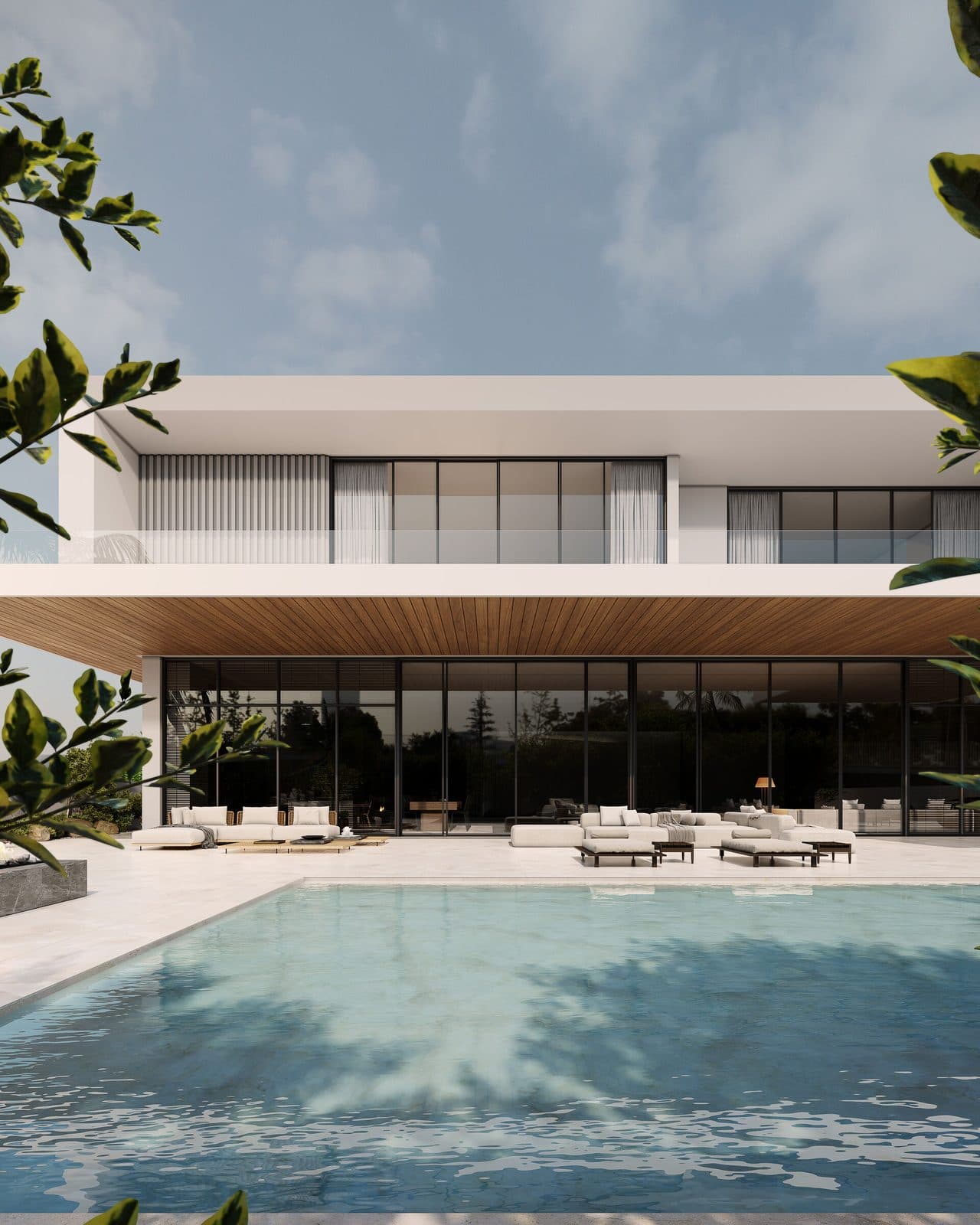
During construction, quality control is continuous. Your architect conducts regular site visits to verify that what's being built matches what was designed. This is where decisions about luxury interior materials and lighting design and outdoor architecture including pools and pavilions move from drawings to reality. Your landscape design for Kuwait's climate should already be coordinated with the building construction, not treated as an afterthought.
Stage 7: Inspection, Handover, and Completion
The final stage is about verification. Before you move in, your villa undergoes a snagging process where every room, every system, and every finish gets inspected against the design documents.
Your architect compiles a snagging list: items that need correction, adjustment, or replacement. Common snags include paint touch ups, tile alignment issues, door hardware adjustments, and MEP system calibration. The contractor addresses these before handover.
Once snagging is complete, you'll need to obtain the completion certificate from Kuwait Municipality. The contractor hands over as built drawings (which reflect any changes made during construction), equipment warranties, and operation manuals for installed systems.
How Much Does It Cost to Build a Villa in Kuwait?
Cost is the question everyone asks first. Here's a realistic framework.
Villa construction costs in Kuwait typically range from 180 to 350 KD per square meter for finished residential construction, with luxury specifications exceeding 400 KD per square meter. These figures cover construction only and exclude land acquisition.
Breaking that down by phase:
Design fees: Architectural design fees for a villa in Kuwait typically range from 5 to 10 percent of the estimated construction cost. This covers concept design, detailed drawings, permit submissions, and construction supervision. Going cheap on design is the most expensive mistake in the entire process.
Permit and government fees: Municipality fees, soil testing, and related approvals typically add 3,000 to 8,000 KD depending on project scope.
Construction: This is the largest cost block. For a 500 sqm villa at a mid range specification, expect total construction costs in the range of 125,000 to 175,000 KD. Luxury specifications push that to 200,000 KD and beyond.
Contingency: Always budget 10 to 15 percent above your construction estimate. Design changes, material price fluctuations, and unforeseen site conditions are normal, not exceptional.
One factor that's easy to overlook: how planning each room of your Kuwait villa during the design phase, rather than making decisions during construction, keeps costs predictable. Late changes to interior layouts, materials, or finishes are the single biggest driver of budget overruns.
Kuwait's broader construction market is active right now. The country's 2025 to 2026 budget allocated $5.7 billion in capital spending on infrastructure and construction (Blackridge Research), which means contractor demand is high and pricing reflects that.
How Long Does It Take to Build a Villa in Kuwait?
A typical villa project in Kuwait takes 18 to 24 months from initial design consultation to handover, including 3 to 5 months for Kuwait Municipality permit approvals.
Here's how that breaks down by phase:
- Site analysis and concept design: 4 to 8 weeks
- Detailed design and engineering: 8 to 12 weeks
- Municipality approvals: 3 to 5 months
- Tendering and contractor selection: 4 to 6 weeks
- Construction: 12 to 18 months
- Snagging and handover: 4 to 8 weeks
The factors that extend timelines most? Design changes during construction, permit resubmissions, and late material orders. Every one of those is preventable with proper planning.
Common Mistakes When Building a Villa in Kuwait
After years of managing villa projects in Kuwait, certain patterns repeat. Here are the mistakes we see most often.
Skipping the architect and going straight to a contractor. Contractors build what they're told. Without proper design, you end up with a house that meets minimum code but doesn't respond to your site, your climate, or your lifestyle. Kuwait Municipality requires licensed consultant drawings anyway, so you'll need an architect regardless. The question is whether they lead the process or just sign the paperwork.
Underestimating permit complexity. Homeowners who treat permits as a rubber stamp get surprised when drawings come back with revision requests. The Municipality reviews structural adequacy, fire safety compliance, setback conformance, and MEP standards. Come prepared or expect delays.
Choosing contractors on price alone. The cheapest bid wins the job. Then change orders start. Then the timeline slips. Then the relationship deteriorates. We've seen projects where the "savings" from a cheap contractor cost 30% more than hiring a qualified one from the start.
Treating outdoor spaces as an afterthought. Your pool, pavilion, boundary walls, and outdoor architecture need to be designed alongside the building, not added after construction starts. The same goes for landscape design. When outdoor work isn't coordinated with the main build, you get drainage conflicts, utility clashes, and wasted money reworking completed areas.
Why an Architect Led Process Protects Your Investment
The difference between an architect led and a contractor led build comes down to one thing: who's making the design decisions?
In a contractor led process, the builder controls materials, methods, and priorities. Their incentive is speed and margin. In an architect led process, a design professional coordinates architecture, structure, MEP, interiors, and landscape under a single vision. Their incentive is quality and coherence.
"We don't just design and hand over drawings. We stay on site from foundation pour to final snagging. That's not an add on service. That's how you protect a client's investment. The biggest cost savings on any project happen before construction starts, in the design decisions that prevent problems rather than fix them."
Value engineering is a good example. A good architect finds ways to achieve the same design intent with smarter material choices or structural efficiencies. That's different from a contractor cutting costs by substituting cheaper materials. One protects quality. The other erodes it.
Frequently Asked Questions About Building a Villa in Kuwait
Do I need an architect to build a villa in Kuwait?
Yes. Kuwait Municipality requires that all residential building permit applications include drawings prepared by a licensed architectural consultant. Beyond the legal requirement, an architect manages the coordination between structural, MEP, and interior design disciplines that determines whether your villa functions as intended. Going without one doesn't save money. It shifts risk entirely onto you.
How much does it cost to build a villa in Kuwait per square meter?
Villa construction costs in Kuwait typically range from 180 to 350 KD per square meter for standard to luxury finishes, excluding land. Ultra luxury specifications with imported stone, custom metalwork, and premium smart home systems can exceed 400 KD per square meter. Design fees, permit costs, and contingency should be budgeted separately.
How long does Kuwait Municipality take to approve building plans?
The typical approval timeline is 3 to 5 months from submission. Delays occur when drawings contain code violations, incomplete documentation, or when the fire department review identifies safety concerns. Working with an architect who is current on Kuwait's building codes (including the 2025 amendments) reduces the risk of resubmission.
Can I make design changes during construction?
You can, but every change has a cost and time impact. Minor adjustments (relocating a light switch, changing a tile specification) are manageable. Major changes (moving walls, adding rooms, changing structural elements) require revised engineering, potential Municipality reapproval, and contractor change orders that affect budget and schedule. The best time to make design changes is during the concept and detailed design phases, when changes cost nothing.
What building codes apply to residential villas in Kuwait?
Residential villa construction in Kuwait is governed by Kuwait Municipality regulations, primarily under Ministerial Resolution No. 206 of 2009, which has been amended multiple times. Recent updates include Resolution No. 2024/288 (amended building ratios and setbacks) and Resolution No. 2025/601 (updated construction work regulations). Fire safety codes, structural standards, and MEP requirements also apply. Your architect should reference current regulations, as the code has changed significantly in 2025 and 2026.
How do I choose between a turnkey contractor and an architect led build?
A turnkey contractor handles design and construction as a single package. This can be faster and simpler for straightforward projects, but you sacrifice design control, independent quality oversight, and the ability to tender construction competitively. An architect led build separates design from construction, giving you independent professional guidance, competitive contractor pricing, and a design that responds to your specific needs. For a custom villa where design quality matters, the architect led approach delivers better outcomes.
Building a villa in Kuwait is one of the largest investments you'll make. The process doesn't have to be confusing, but it does have to be managed properly. Getting the right team in place before the first line is drawn makes every stage that follows more predictable, more efficient, and more likely to produce a home that matches what you imagined.
Ready to start planning your villa? Talk to ZNSO Architects about your project.