Salman Al-Nasser
Principal Architect, ZNSO Architects
You've probably spent hours scrolling through interior design accounts on Instagram. Beautiful villas in Milan. Apartments in Dubai. Penthouses in London. The inspiration is endless.
Then you look at your plot in Al Mutlaa or your family villa in Mishref, and the same question comes up: how do I make any of this work for my home in Kuwait?
That gap between global inspiration and Kuwaiti reality is where most villa interior projects get stuck. A villa in Kuwait isn't just a beautiful space. It's a diwaniya for Thursday gatherings. It's separate zones so your family has privacy when guests arrive. It's materials that won't crack or fade when summer pushes past 52°C.
This guide covers villa interior design in Kuwait from the ground up: what makes Kuwaiti interiors unique, how to approach each room, which materials hold up, and what the professional design process looks like.
The timing matters. With 3,344 homes already receiving automated numbers in Al Mutlaa alone (Times Kuwait) and over half of GCC interior design revenue (51.36%) coming from renovation rather than new builds (Mordor Intelligence), the demand for professional interior guidance spans both new housing cities and established neighborhoods.
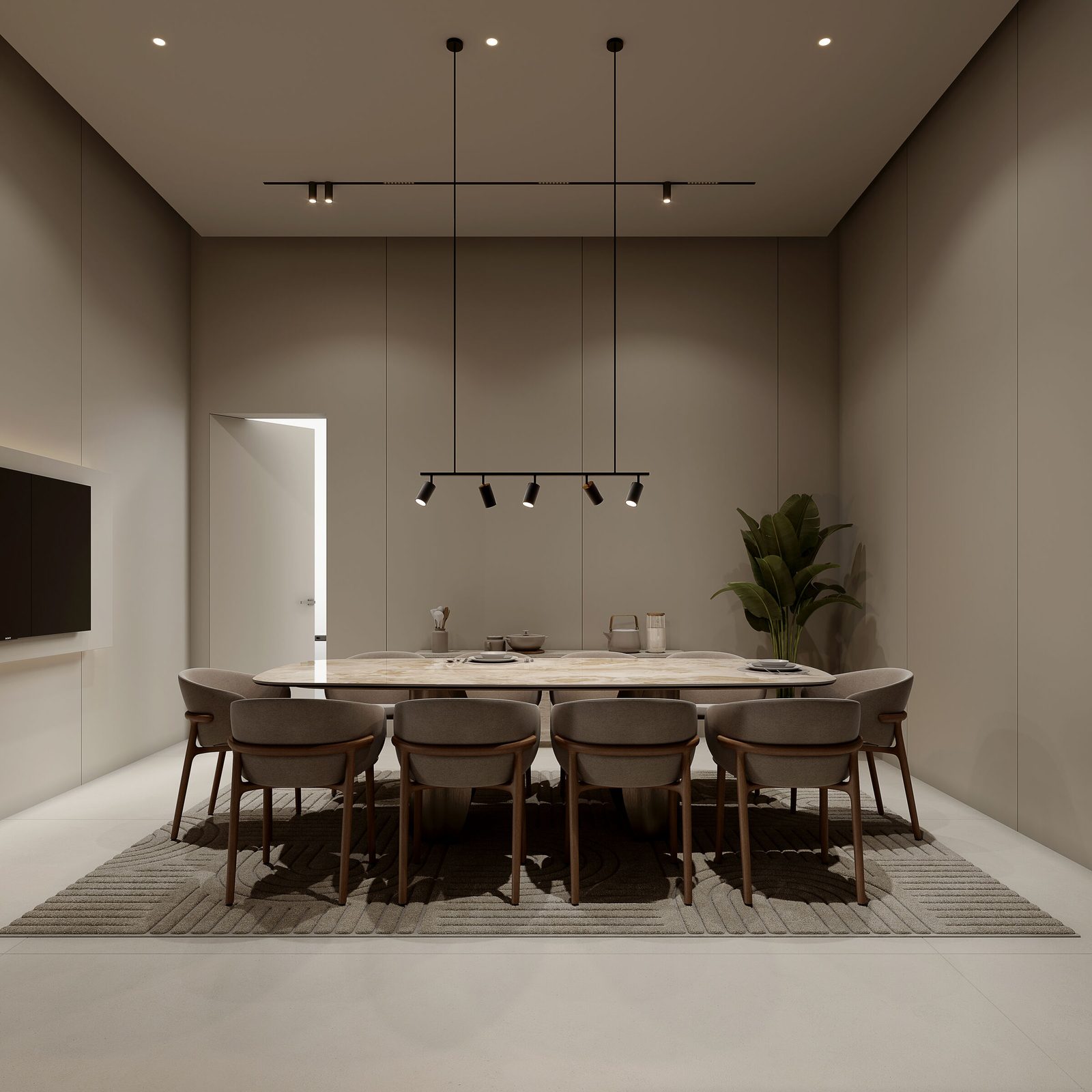
What Makes Kuwaiti Villa Interiors Different
Every country has its own version of "home." In Kuwait, that version is shaped by three things that most international design content ignores completely: social culture, privacy requirements, and a climate that tests every material choice you make.
"Every material we specify for a Kuwait villa has to answer two questions: does it look right, and will it still look right after five summers?" — Salman Al-Nasser, Principal Architect at ZNSO Architects
If your interior designer doesn't understand these factors, the result will look great on a mood board and fail in real life.
The Diwaniya and Majlis: Designing for Social Culture
The diwaniya is more than a room. It's a social institution. In Kuwait, men gather in the diwaniya for evening conversations, business discussions, and community connection. Research by Al-Zamil (2022) in the International Journal of Architectonic, Spatial, and Environmental Design found that the contemporary diwaniya has evolved into a space reflecting the homeowner's identity and personal taste.
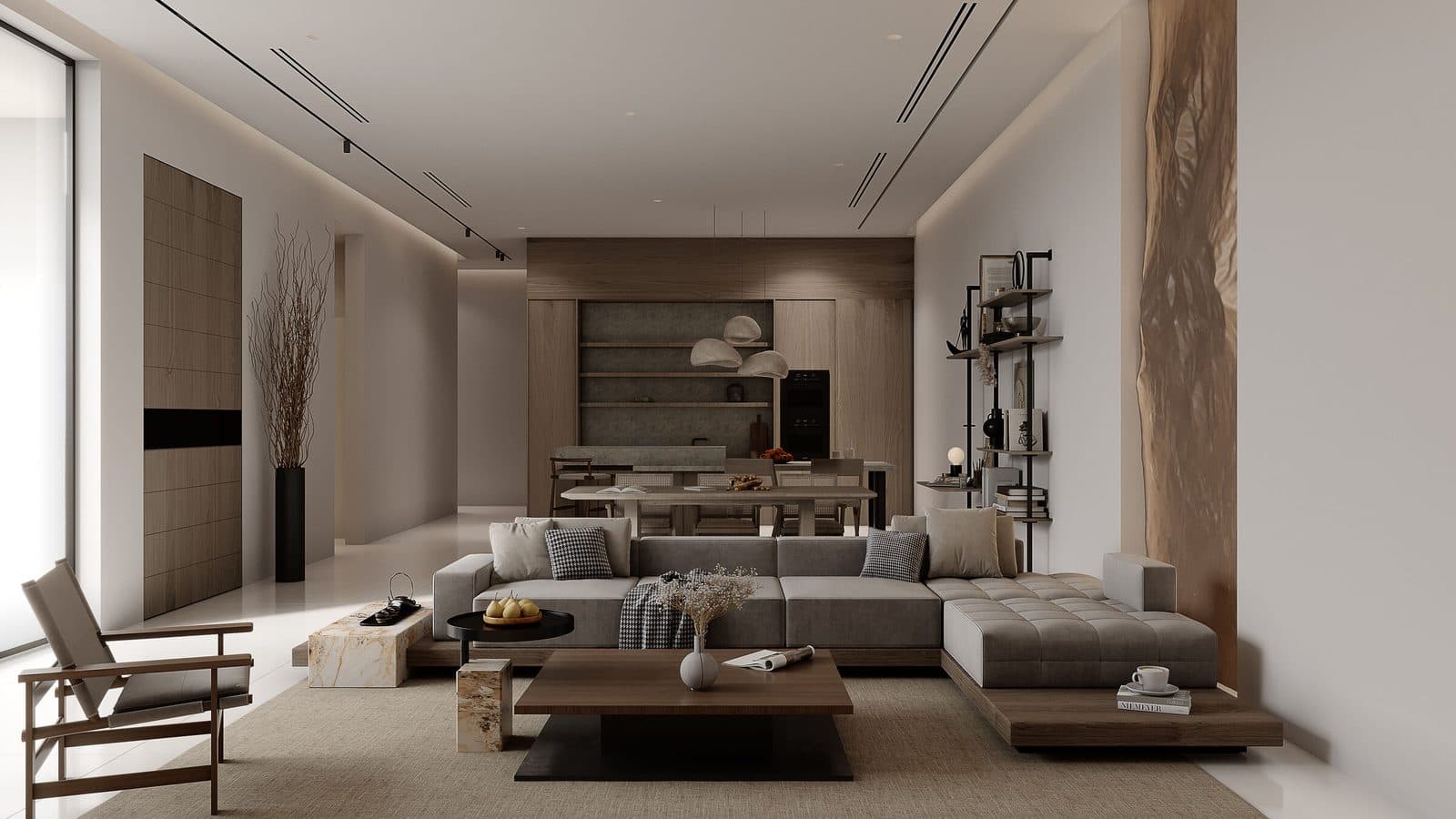
Designing a diwaniya for a modern Kuwaiti villa means balancing tradition with current aesthetics. The classic U-shaped seating arrangement still works because it encourages face to face conversation. But today's homeowners want it in contemporary materials: clean lined sofas in performance fabrics, natural stone flooring, and lighting that sets the right mood for evening gatherings.
The majlis follows a similar logic. It needs to feel welcoming and elegant without being so precious that guests are afraid to sit down. In our work on the Hassan Residence, we designed the formal reception area with warm neutral tones, a statement chandelier, and seating that's both beautiful and comfortable for long visits.
What about the modern trend toward open plan living? It works in Kuwait, but only when you protect the diwaniya's independence. This space should have its own entrance (or at least a dedicated path from the front door) so guests can arrive without passing through family areas.
Privacy Zoning: Separating Guest and Family Life
Villa interior design in Kuwait requires what we call "zone planning," and it's the single most important layout decision you'll make.
On a standard 400 sqm plot with maximum 210% built up area and setback requirements, every square meter counts. Whether you're in Bayan, Surra, Qurtuba, or a new housing city, Kuwait Municipality regulations define your footprint. Zone planning is how you make that footprint feel spacious.
A well planned Kuwaiti villa divides into four zones. The public zone includes the entrance, diwaniya, majlis, and guest bathroom. The semi private zone covers family living, dining, and kitchen. The private zone contains bedrooms, the master suite, and personal spaces. The service zone handles laundry, storage, and staff quarters.
The trick is making these zones feel like one home, not four separate apartments. This is where architecture and interior design need to work together from day one. When you plan the interior layout alongside the building structure, transitions between zones happen through thoughtful elements (a change in ceiling height, a shift in flooring material, a turn in the corridor) rather than awkward hallways or closed doors.
As we covered in our guide to contemporary Kuwaiti villa architecture, the most successful villas treat privacy as a design principle, not a problem to solve with walls.
Designing for Kuwait's Climate (Indoors)
Here's something most design blogs skip entirely: Kuwait's climate doesn't stop at the front door.
Summer temperatures regularly exceed 52°C. Sand and dust find their way into everything. Humidity fluctuates dramatically between coastal and inland areas. These conditions affect your interior in ways you might not expect.
Dark flooring absorbs heat from sunlight through windows. Solid hardwood warps in Kuwait's temperature swings. Delicate fabrics fade under intense UV, even indoors. And dust settles on every surface, making high maintenance materials a daily frustration.
The best villa interiors in Kuwait account for all of this during the design phase. Material selection isn't just about aesthetics. It's about performance over years of Kuwaiti summers.
For a deeper look at how climate shapes building decisions, read our piece on sustainable design strategies for Kuwait's climate.
Room by Room Guide to Villa Interior Design
Every room in a Kuwaiti villa serves a specific purpose. Here's how to approach each one.
Living Areas and Family Rooms
The family living room is where Kuwaiti families actually spend most of their time. It's not the showpiece (that's the majlis). It's the comfortable, lived in space where children play, families gather after dinner, and weekend mornings happen over coffee.
Design this room for real life, not for photos. Choose sofas with removable, washable covers in performance fabrics. Pick flooring that handles foot traffic and spills without showing every mark. Make sure the lighting has layers: bright overhead for daytime, warm ambient light for evenings, and task lighting near reading areas.
"We always tell our clients: design the family room for your Tuesday night, not your Friday gathering. The rooms you use every day deserve the most attention." — Sarah Ahmed, Senior Interior Designer at ZNSO Architects
Connecting the family living room to a covered terrace or courtyard works especially well. When evening temperatures drop between October and April, that indoor/outdoor connection makes the home feel twice its size.
The Kitchen: The Real Center of Kuwaiti Home Life
Kuwaiti families cook. A lot. Large meals for extended family are weekly events, not special occasions. Your kitchen needs to handle that reality.
The two kitchen model is common in Kuwaiti villas for good reason. A "show kitchen" connects to the dining and family areas for daily use, coffee, and lighter meals. Behind it, a separate preparation kitchen handles the heavy cooking: grilling, frying, and meal prep for large groups. This keeps cooking smells out of the living spaces while giving the family an open, connected kitchen experience.
For the show kitchen, we recommend stone or engineered quartz countertops that resist heat and staining. Keep upper cabinets to a minimum to maintain that open feel, and invest in a proper island with seating if your layout allows it. The island becomes a gathering spot during meal prep, homework, and casual conversations.
Master Suite and Private Spaces
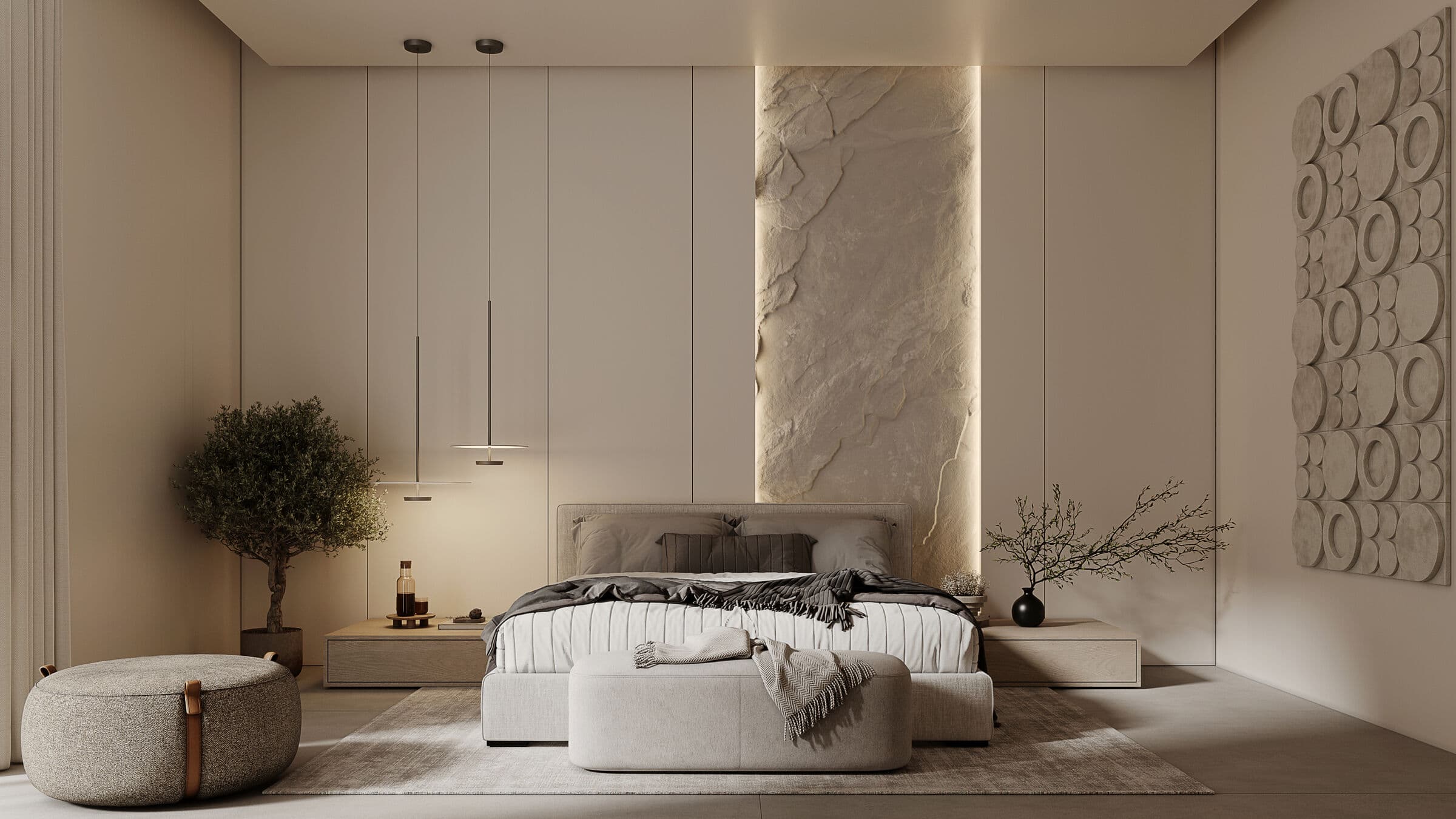
The master suite in a Kuwaiti villa typically includes the bedroom, a walk in closet (or two), and an ensuite bathroom. The key is restraint. This is your personal retreat, and it should feel calm and uncluttered.
Warm neutral palettes work exceptionally well: soft whites, warm beiges, and taupe tones. Natural wood accents add warmth. A well placed accent wall (textured plaster, fabric paneling, or natural stone) gives character without overwhelming it.
For children's rooms, think longevity. Choose a flexible base (neutral walls, good storage, adaptable furniture) and add personality through art and accessories that change as the child grows.
Outdoor Living: Courtyards, Pools, and Covered Terraces
Outdoor spaces are part of your interior design story. In Kuwait, a covered terrace or courtyard acts as a transitional room between inside and outside. During cooler months, it's one of the most used spaces in the house.
Design these areas with the same attention you'd give an indoor room. Weather resistant furniture, outdoor lighting, shade structures, and landscaping all matter. For more on how exterior design connects to interiors, see our guide to modern facade design for Kuwait villas.
Materials That Work for Kuwait Villa Interiors
Choosing the right materials is where many Kuwait villa interiors succeed or fail. What looks stunning in a showroom might not survive its first summer in your home.
In the Osama Residence interior, we paired natural marble in the formal areas with warm wood paneling in the family spaces. That contrast gives the home two distinct moods without the materials competing, and shows how a luxury villa interior in Kuwait can feel both elegant and livable.
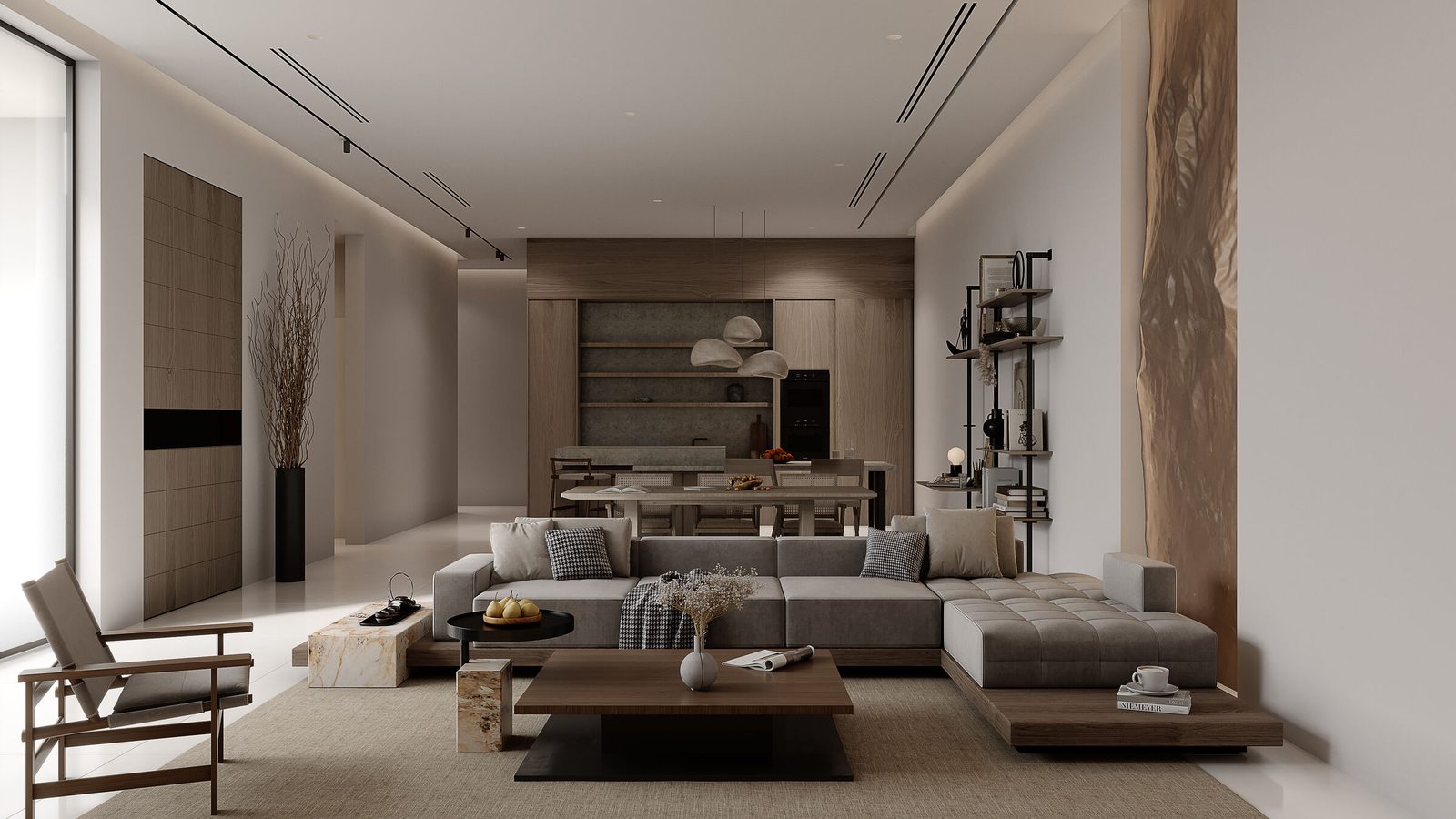
Flooring: Marble, Porcelain, and Natural Stone
Marble remains the classic choice for Kuwaiti villa interiors. It's naturally cool underfoot, looks timeless, and handles heavy traffic. The catch? It needs regular sealing and can stain if spills aren't cleaned quickly.
Porcelain tile is the practical alternative. Today's porcelain convincingly replicates marble, wood, and natural stone at a fraction of the maintenance. It resists heat, handles sand without scratching, and comes in large formats that reduce grout lines. For most rooms in a Kuwaiti villa, porcelain is the smartest investment.
Engineered wood offers warmth in bedrooms and private sitting areas. Unlike solid hardwood, it handles temperature fluctuations without warping. It's a good choice where you want a natural feel without the climate risk.
Wall Finishes and Textures
Flat painted walls are the baseline, but they're also the fastest way to make a villa feel generic. Adding texture gives each room its own character.
Options that perform well in Kuwait include textured plaster (microcement and lime plaster both work beautifully), natural stone accent walls, fabric paneling in bedrooms and formal rooms, and gypsum board detailing for false ceilings and architectural features.
Avoid wallpaper in rooms that receive direct sunlight or high humidity areas. UV degradation and moisture can cause peeling within a few years. If you love the look, use it in interior corridors, powder rooms, or bedrooms with controlled light exposure.
Fabrics and Furniture in a Hot Climate
Fabric selection matters more in Kuwait than in temperate climates. Upholstery needs to resist UV fading, handle dust, and stay comfortable as indoor temperatures shift.
Performance fabrics from brands like Crypton and Sunbrella look and feel like natural linen or cotton but resist staining, fading, and wear. For the diwaniya and majlis, where coffee and tea spills are a guarantee, performance fabric wins.
Natural linen and cotton work in bedrooms where UV exposure is managed with window treatments. Silk and velvet require careful placement in rooms without direct afternoon sunlight.
Interior Design Trends Shaping Kuwaiti Villas in 2026
Trends come and go. The best approach is to build your villa's interior on timeless foundations and use trends as accent points that can evolve without a full redesign.
Warm Minimalism with Arabic Identity
Warm minimalism is the defining aesthetic of 2026, and it fits Kuwait perfectly. The palette draws from the desert: sand, clay, camel, stone, and soft white. Materials are natural (wood, linen, stone, plaster), and the overall feeling is calm and uncluttered.
What makes this trend special for Kuwait is how naturally it pairs with Arabic design elements. Geometric patterns inspired by Islamic art become accent walls or screen panels. A modern mashrabiya works as a room divider that filters light while adding cultural depth. Arabic calligraphy, displayed as a single statement piece, brings heritage into the space without competing with the minimal aesthetic.
This isn't about stripping everything away. It's about choosing fewer, better things and giving each one room to breathe.
Sculptural Lighting as a Design Statement
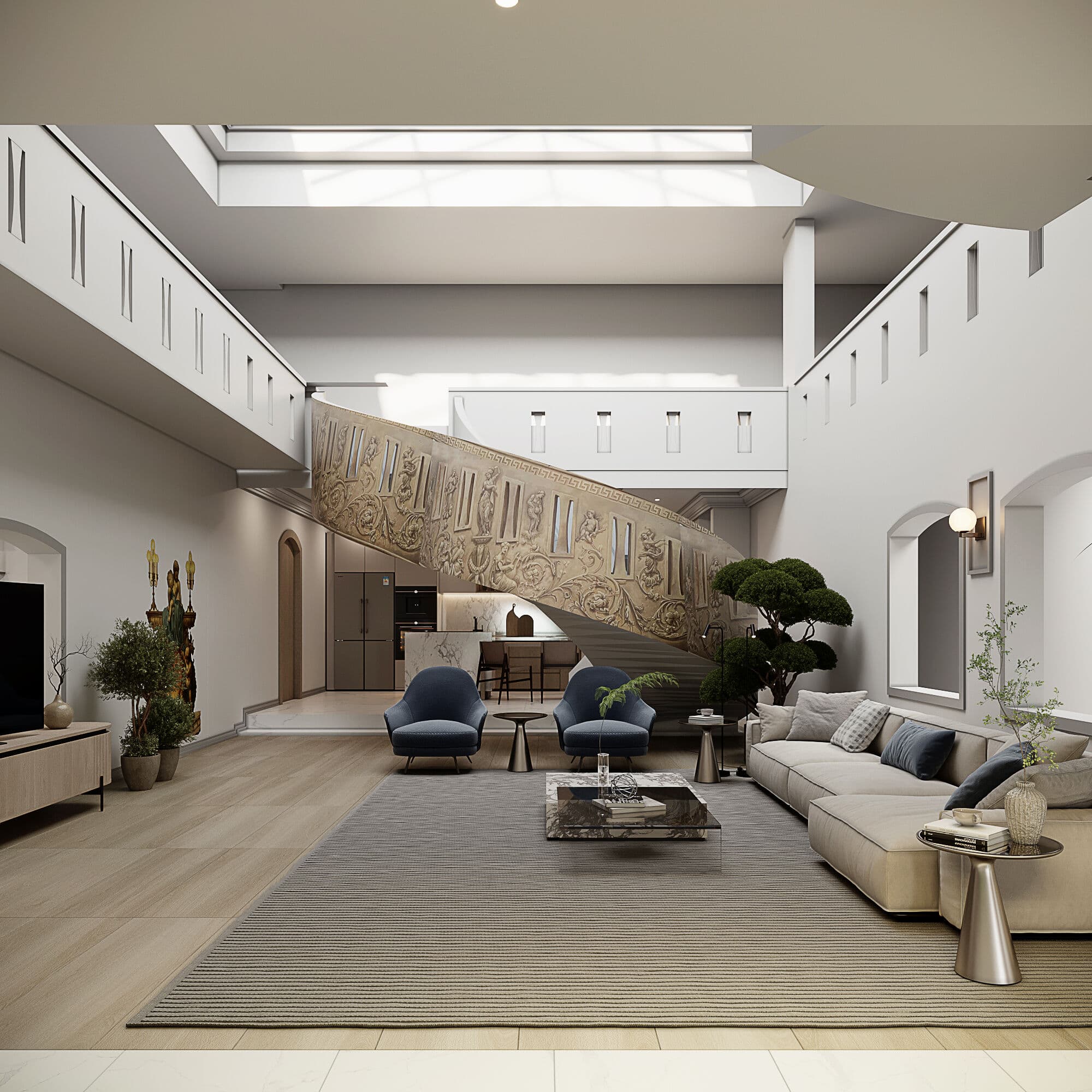
Lighting in 2026 goes beyond function. In Kuwaiti villas, where double height entrance halls and large living areas are common, a sculptural chandelier or pendant becomes the room's anchor.
The trend leans toward organic shapes, natural materials (blown glass, hand forged metal, woven fibers), and oversized proportions. For the diwaniya, a dramatic fixture sets the tone before a guest even sits down. In the stairwell, it draws the eye upward and connects floors visually.
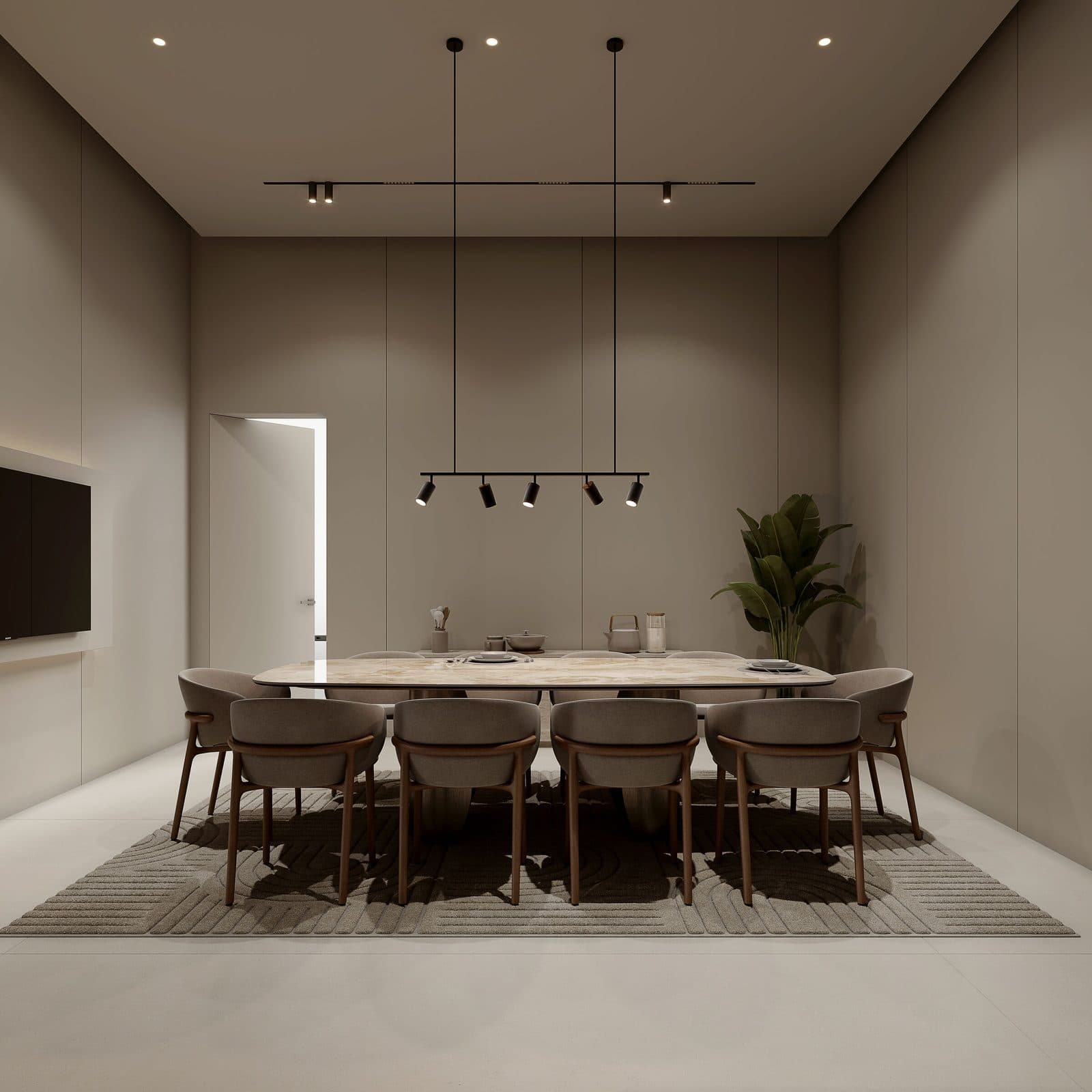
Beyond statement pieces, layered lighting remains essential. Professional lighting design for a Kuwaiti villa includes three layers: ambient ceiling lights, wall sconces for warmth, and recessed lighting for tasks. In Kuwait, where natural light is intense, good lighting means controlling and supplementing daylight rather than fighting it.
Multi Functional Spaces for Modern Families
Kuwaiti families are asking for rooms that do more than one thing. A guest bedroom that doubles as a home office. A family room that converts into a screening space. A terrace that works for casual and formal entertaining.
Multi functional design means smart furniture choices (a sofa bed that actually looks like a sofa, a desk that folds into a console) and built in elements that let rooms shift between uses.
The Interior Design Process: What to Expect from Start to Finish
Understanding the process helps you make better decisions and set realistic expectations for your villa interior project.
Why Architecture and Interior Design Should Work Together
Here's where we see the most expensive mistakes: a homeowner finishes construction, then calls an interior designer.
By that point, the electrical points are set. The plumbing is roughed in. The structural walls are built. And the designer has to work around decisions that were made without considering furniture layouts, lighting plans, or storage.
The integrated architecture and interior design approach plans room layouts, furniture placement, lighting schemes, and material selections alongside the structural design. Electrical outlets land where your bedside tables will go. Windows frame the view from your sofa. Built in storage is part of the structure, not a retrofit.
At ZNSO Architects, we handle both architectural design and interior design under one roof. This approach is central to our design philosophy: one team, one vision, zero gaps.
From Concept to 3D Visualization
A professional villa interior design process in Kuwait typically follows these stages:
Lifestyle meetings come first. Before picking a single material, a good designer learns how your family lives. How many people? How often do you host? Do you prefer formal or casual dining? These conversations shape every decision that follows.
Space planning translates those conversations into layouts. This is where zone planning happens: defining public, semi private, private, and service areas before any design work begins.
Mood direction and concept development set the visual tone. Color palettes, material families, and reference images. At ZNSO, we present concepts through mood boards and material samples so clients can feel the direction before committing.
Material specification and 3D visualization bring the concept to life digitally. You see realistic renders of your rooms before a single tile is ordered.
Procurement and contractor coordination handle the reality of turning renders into rooms. Your designer specifies exact products, sources materials, and manages the installation timeline.
Budget Planning and Cost Expectations
Let's talk numbers. Interior design costs in Kuwait vary widely based on scope, material grade, and villa size, but here are general ranges to help you plan:
Concept design and documentation (space planning, material specifications, 3D renders, and contractor drawings) typically runs between KD 3,000 and KD 8,000 or more, depending on the villa's size and complexity.
Full interior fit out (materials, furniture, fixtures, and installation) ranges from KD 80 to KD 200+ per square meter. A standard finish on a 400 sqm villa might land around KD 35,000 to KD 50,000, while premium finishes can push beyond KD 80,000.
These are broad estimates. Actual cost depends on material selections, scope, and whether you're furnishing the entire villa or specific areas. A consultation gives you a realistic budget for your project.
The GCC interior design market reached USD 13.76 billion in 2025, projected to grow at 7.99% CAGR through 2030 (Mordor Intelligence). Kuwait's home improvement market alone is valued at USD 1.1 billion (Ken Research).
Frequently Asked Questions
How much does villa interior design cost in Kuwait?
Interior design costs depend on scope and finish level. Concept design and documentation: KD 3,000 to KD 8,000+. Full fit out: KD 80 to KD 200+ per square meter. A complete villa with standard finishes typically costs KD 35,000 to KD 50,000, while premium projects can exceed KD 80,000. Request a consultation for a project specific estimate.
Should I hire an interior designer separately or work with my architect?
If you're searching for an interior designer for your Kuwait villa, look for a firm that integrates architecture and interiors. When both disciplines work together from the start, electrical points match furniture layouts, windows are positioned based on room function, and built in storage becomes structural rather than retrofitted. This prevents costly changes during or after construction.
What is the most durable flooring for Kuwait villas?
Porcelain tile is the most durable option for most rooms. It resists heat, handles sand without scratching, and requires minimal maintenance. Natural marble is the premium choice for formal areas but needs regular sealing. Engineered wood works well in climate controlled bedrooms where warmth and texture matter.
How long does the interior design process take?
A complete villa interior takes 5 to 9 months. Concept and design development: 4 to 8 weeks. Material procurement: 6 to 12 weeks. Installation and fit out: 8 to 16 weeks. Timelines depend on villa size, custom work scope, and material sourcing (imported items take longer).
Can I blend traditional Kuwaiti elements with modern design?
Absolutely. The key is restraint. Use geometric patterns from Islamic art as an accent wall rather than covering every surface. Reinterpret the mashrabiya screen as a modern room divider. Update diwaniya seating with contemporary furniture in current materials. Choose one or two heritage elements per room and let them stand out against a clean backdrop.
What are the biggest interior design mistakes in Kuwait villas?
The most common mistakes: treating interiors as an afterthought after construction, choosing materials that can't handle Kuwait's heat and sand, ignoring the flow between public and private zones, over designing with too many competing focal points, and not planning enough storage. Each is preventable with proper planning during the design phase.
Designing a Home That Feels Like Yours
Villa interior design in Kuwait comes down to one question: does your home work for the way your family actually lives?
The best interiors start with that understanding. They respect Kuwaiti traditions without being trapped by them. They use materials that perform in this environment. And they're planned alongside the architecture so the structure and the interior tell the same story.
If you're planning a new villa or renovating your current home, the right time to start the interior conversation is now, before construction decisions limit your options.
Schedule a design consultation with our team, explore our consultation services, or view our interior design portfolio to see how we've approached interiors for families across Kuwait.