Salman Al-Nasser
Principal Architect, ZNSO Architects
A villa rises in Abdullah Al-Salem. Clean lines. Minimal ornamentation. It could be anywhere: Miami, Melbourne, Milan.
Walk inside, though, and something shifts. Light filters through geometric screens. A central courtyard draws your eye upward. The spaces breathe and flow in ways that feel distinctly familiar to anyone who grew up in a traditional Kuwaiti home.
This is the tension at the heart of contemporary Kuwait villa design. How do you build something modern without erasing where you come from? How do you honor tradition without living in a museum?
These questions matter now more than ever. Kuwait's residential real estate market reached KD 3.73 billion in transactions during 2024, up 34% from the previous year according to NBK Economic Research. Much of this activity centers on villa construction, as families seek homes that reflect both modern aspirations and cultural identity.
Your home tells a story. It says something about who you are, where you belong, and what you value. For many Kuwaiti families planning a new villa, finding architects who understand this balance is the real challenge.

What Defines Contemporary Kuwaiti Villa Design?
Key Definition: Contemporary Kuwaiti villa architecture balances three core principles: privacy orientation, climate responsiveness, and cultural continuity — reinterpreting traditional elements like courtyards and mashrabiya for modern life.
These aren't just design preferences. They're responses to how Kuwaiti families actually live, entertain, and seek refuge from one of the world's most extreme climates.
Beyond International Minimalism
Scroll through any architecture magazine and you'll see the same aesthetic repeated across continents: white walls, glass expanses, floating staircases, open floor plans. It's beautiful, certainly. But drop that design into a Kuwaiti plot and problems emerge quickly.
Glass facades that look stunning in Scandinavian light become unbearable in Kuwait's summer sun. Open floor plans designed for casual Western entertaining don't accommodate the distinct separation many families prefer between guest and private areas.
"We see it constantly," says Salman Al-Nasser, principal architect at ZNSO Architects. "Families come to us after living in homes that look impressive in photographs but don't work for their actual lives. The diwaniya feels disconnected. The bedrooms overheat by 3pm. The courtyard was designed for Instagram, not for children to play in safely."
The Heritage to Modernity Balance
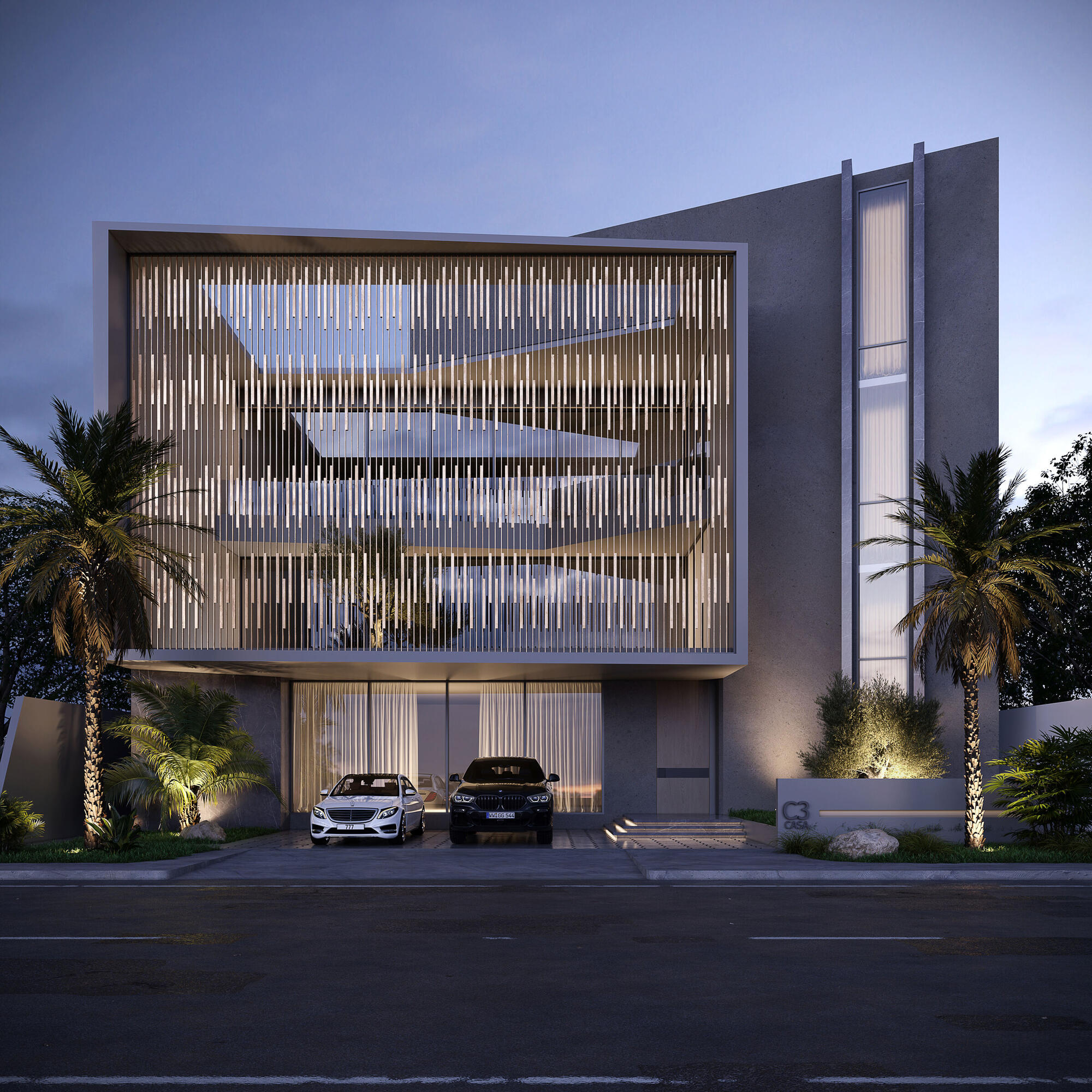
Walk through Kuwait's older neighborhoods and you'll notice patterns that developed over centuries of trial and error. Homes turned inward, presenting modest facades to the street while reserving beauty for interior courtyards. Thick walls created thermal mass. Mashrabiya screens allowed air and filtered light while maintaining privacy.
Contemporary Kuwaiti architects don't abandon these principles. They translate them. The courtyard becomes a double-height atrium with retractable glazing. The mashrabiya evolves into perforated metal screens or parametric shading systems. The thick masonry wall transforms into layered facade assemblies with modern insulation.
Traditional Elements Reimagined for Modern Living
The most successful contemporary villas in Kuwait don't simply quote traditional architecture. They understand why those traditions developed and find new ways to serve the same purposes.
The Courtyard: From Necessity to Design Choice
In traditional Kuwaiti homes, the courtyard (housh) wasn't decorative — it was essential. Surrounded by high walls, the courtyard provided private outdoor space, created a cooler microclimate, and brought light deep into rooms while blocking direct sun.
Modern courtyards serve similar functions but with new possibilities: retractable glass roofs, water features for evaporative cooling, and strategic planting that acknowledges Kuwait's limited water resources.

In one of our recent projects in Mishref, we positioned the courtyard to capture prevailing northwest winds, creating natural ventilation that reduces air conditioning loads by 15–20% during shoulder seasons.
Mashrabiya and Privacy Screens in Contemporary Form
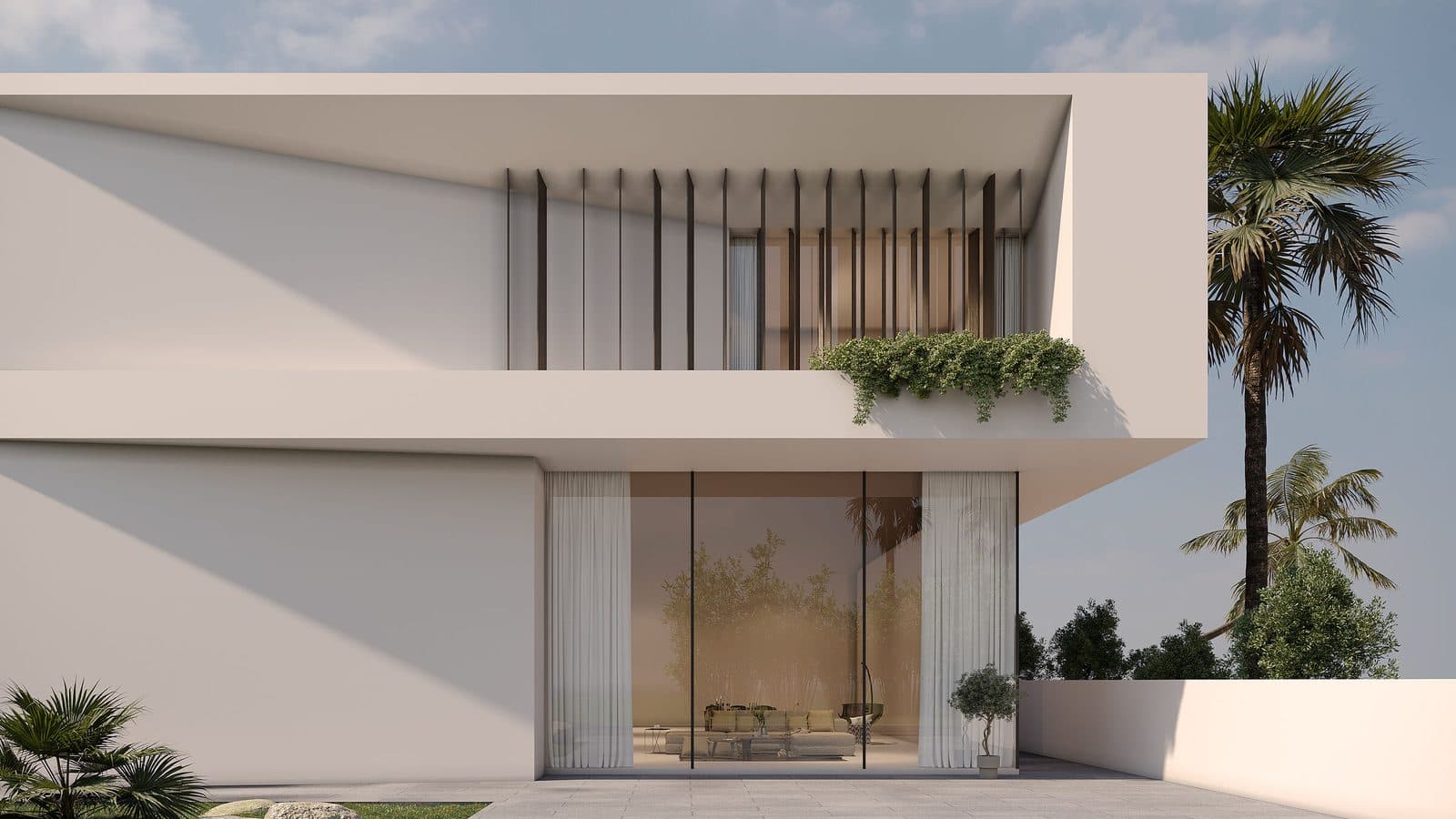
Traditional mashrabiya screens accomplished several things simultaneously: airflow, filtered sunlight, privacy, and beautiful shadow patterns. Contemporary architects achieve these functions through laser-cut aluminum, perforated Corten steel, and glass-reinforced concrete.
The principle remains unchanged: the screening element mediates between inside and outside, creating a zone that's neither fully exposed nor completely enclosed.
The Diwaniya: Evolving the Social Heart
No element is more culturally specific to Kuwaiti residential architecture than the diwaniya. This male guest reception area traditionally occupied a separate structure with its own entrance.
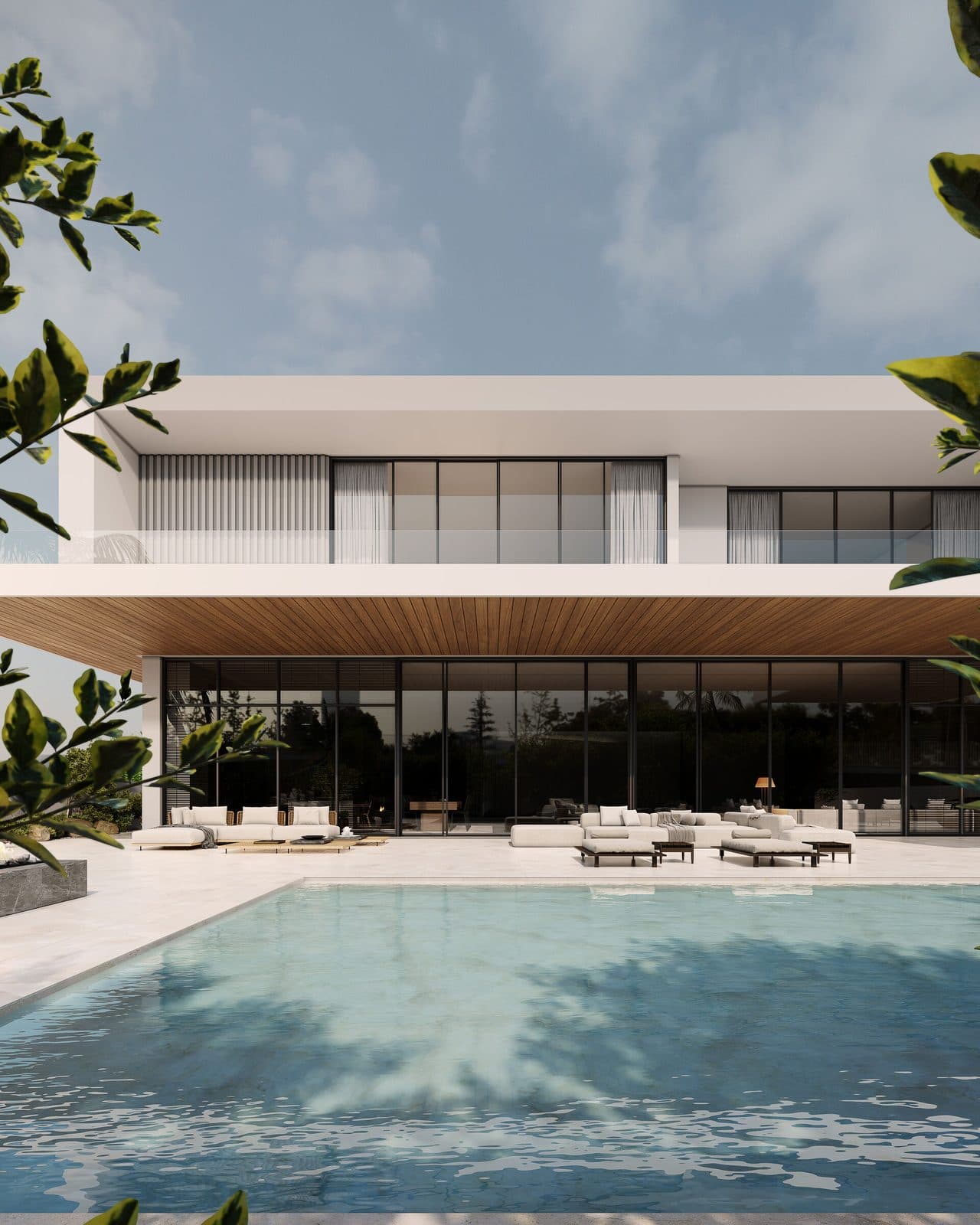
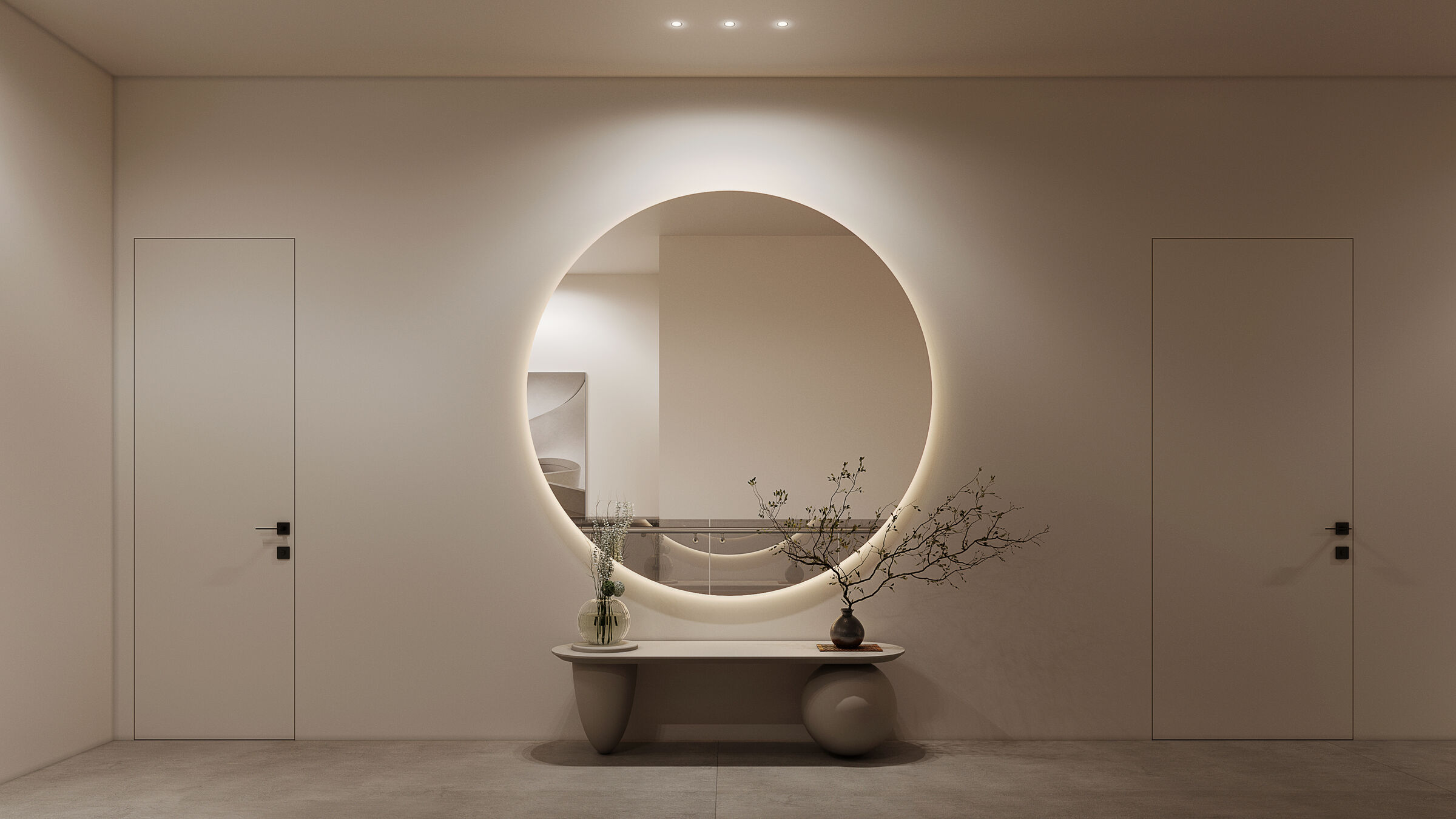
Contemporary interpretations maintain the functional separation while updating the aesthetic — floor-to-ceiling glass facing a private garden, industrial materials mixed with traditional seating, or integrated audiovisual systems.
Designing for Kuwait's Extreme Climate
Kuwait's climate is among the most challenging for architecture anywhere in the world. Summer temperatures regularly exceed 50°C. Humidity along the coast reaches uncomfortable levels. Dust storms deposit fine particles that infiltrate even sealed buildings.
Material Selection for 50°C Summers
Facades expand and contract dramatically between night and day. Colors fade. Sealants break down. The materials that form your villa's exterior must withstand thermal cycling that would destroy standard construction in temperate climates.
Limestone remains popular — it has thermal mass that moderates temperature swings, ages gracefully, and connects to traditional construction. Exposed concrete, properly detailed, performs well with thermal mass benefits. Metal cladding requires careful specification — standard aluminum will oxidize within a decade.
Facade Strategies That Work
Design Principle: The most effective villa facade designs use a layered approach: an outer screening layer, an air gap, and an inner insulated envelope. This reduces solar heat gain by 40–60% compared to conventional single-skin facades.
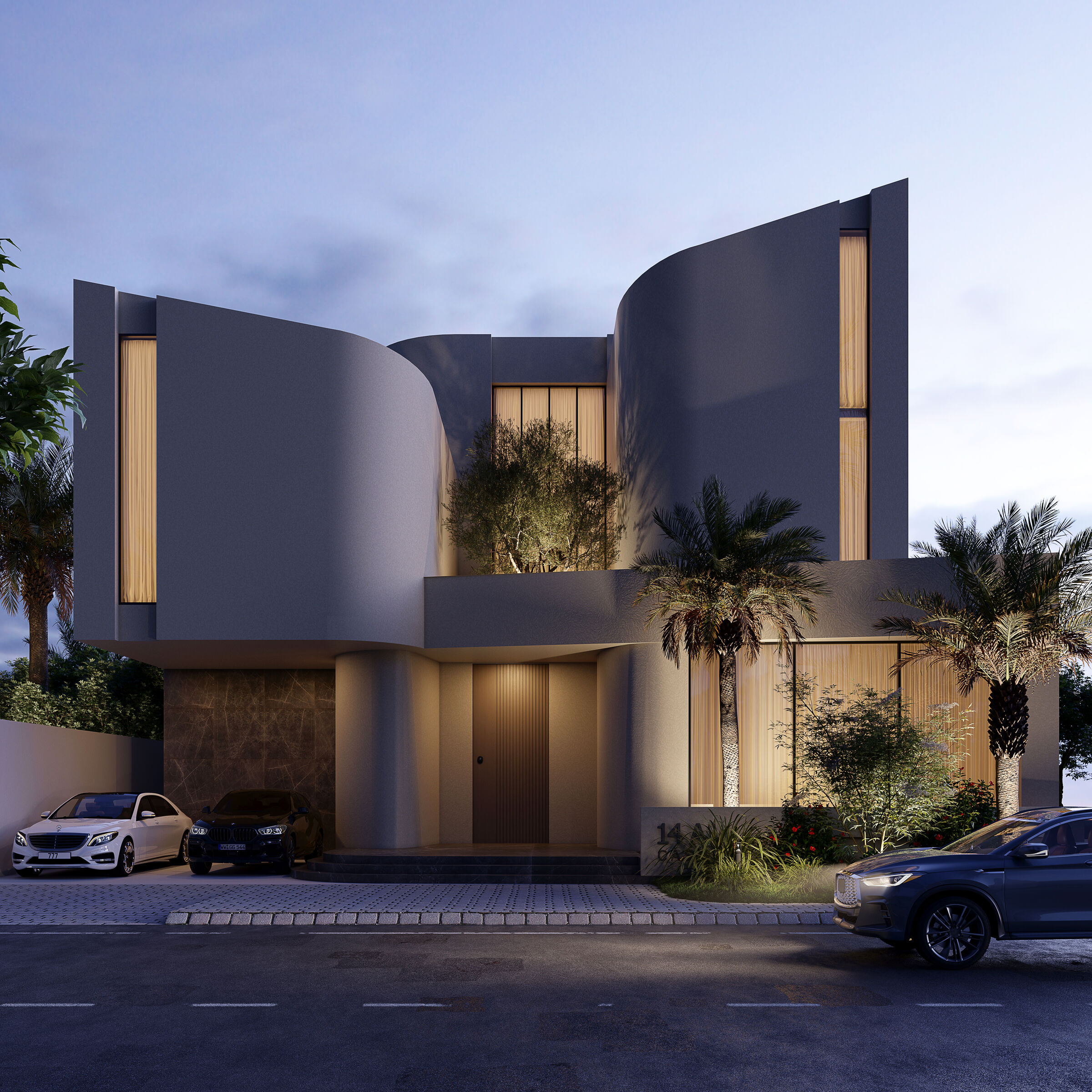
Double-skin facades allow for larger windows without solar heat gain penalties. Deep recessed windows — common in traditional architecture — accomplish similar goals through geometry alone. Roof overhangs shade south-facing walls during summer while allowing winter sun.
The ZNSO Approach: A Case Study
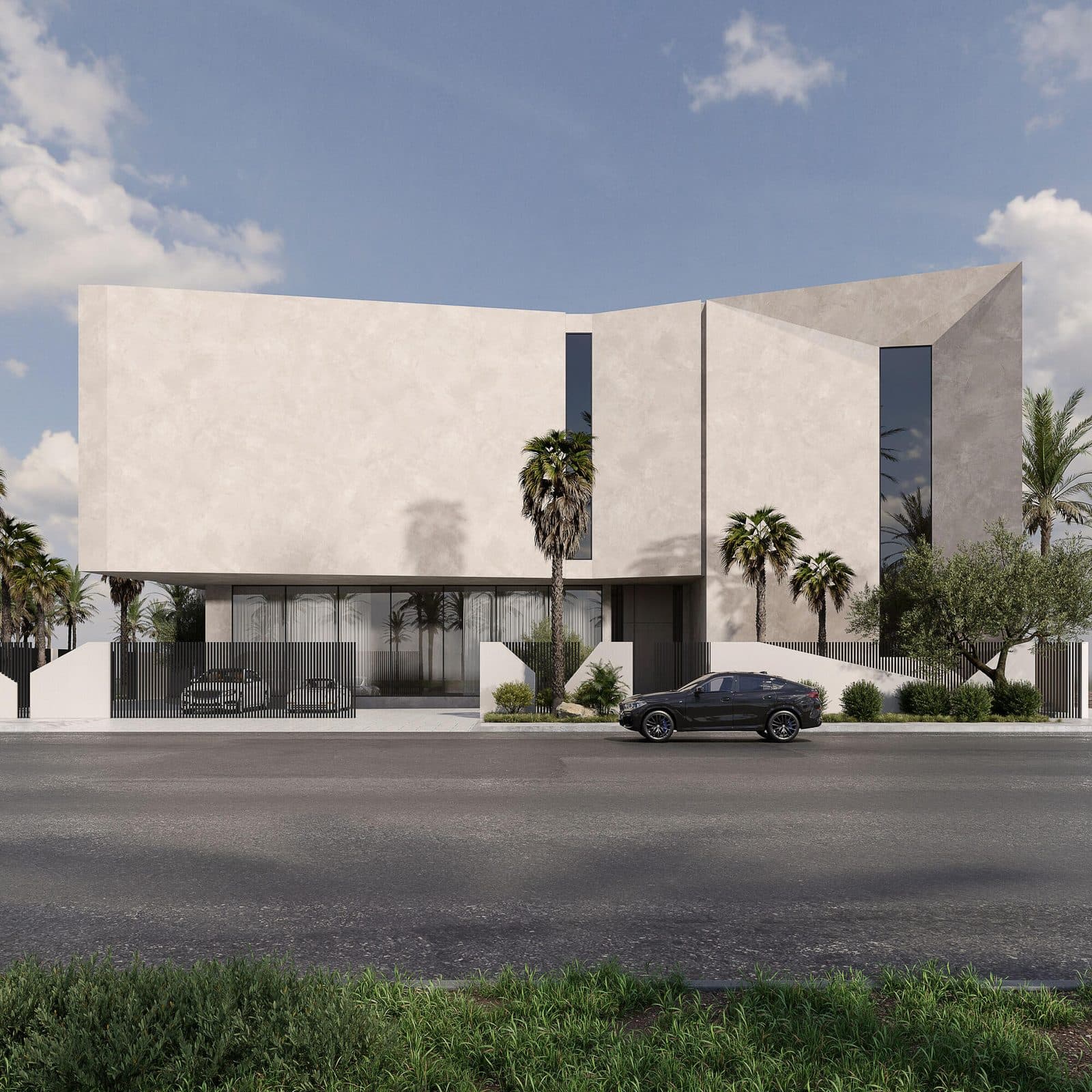
Our Maison Blanche project in Kuwait City illustrates these principles in practice. This 375 sqm villa, completed in 2024, addresses the heritage-modernity balance through material choice, spatial organization, and facade design.
The exterior presents a restrained limestone volume to the street, with minimal openings maintaining privacy. But this modest facade conceals a generous interior organized around a central courtyard with a reflecting pool.

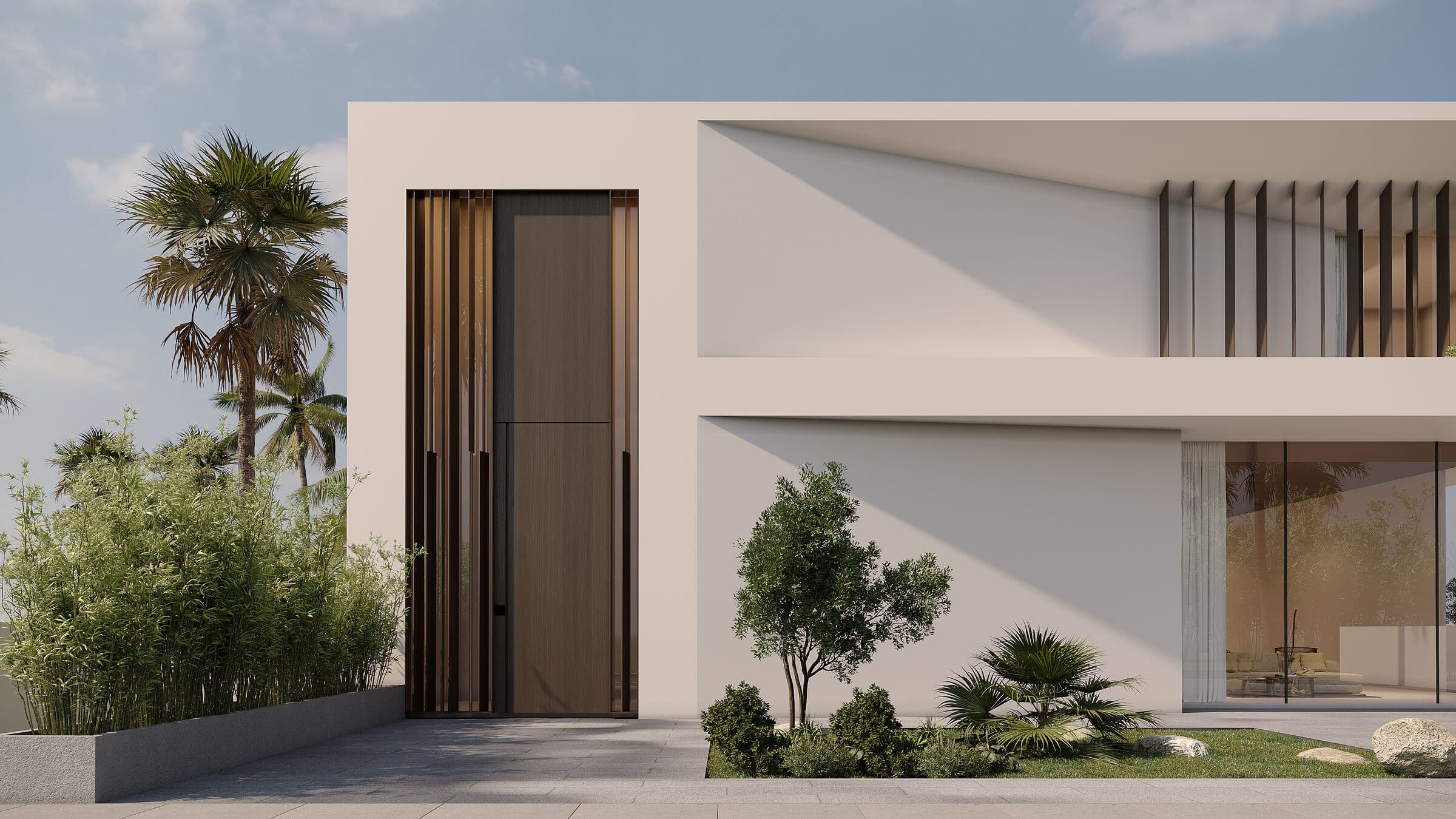
The facade combines limestone cladding with perforated metal screens at upper levels. These screens, patterned with geometries abstracted from traditional motifs, provide shading while creating beautiful light effects. At night, interior lighting transforms the screens into luminous elements — a lantern quality that's both contemporary and rooted in place.
"We believe architecture should tell a story about where it is and who lives there," says Salman Al-Nasser. "When a family walks into their completed home and says 'this feels like us,' we know we've done our job."
View the complete Maison Blanche case study or explore our full portfolio.
Choosing the Right Architect for Your Kuwait Villa
What to Look For
- Local experience: An architect who has worked through Kuwait Municipality (Baladiya) approvals will anticipate requirements others might miss.
- Design philosophy alignment: Review completed projects and ask about the thinking behind specific decisions.
- Communication style: You'll be sharing personal information about how your family lives. The architect should make these conversations comfortable.
- Technical competence: Ask about construction oversight processes and site visit frequency.
Understanding the Timeline
Design Development: 3–6 months
Baladiya Submission: 2–4 months
Construction Documentation: 2–3 months
Tender & Contracting: 1–2 months
Construction: 12–24 months
Total timeline from first meeting to moving in: typically 24–36 months for a custom villa. The decisions you make in the first six months affect how you live for the next thirty years.
Frequently Asked Questions
How much does it cost to build a villa in Kuwait?
Construction costs vary widely. Structural shell: KD 85–120/sqm. Complete turnkey with mid-range finishes: KD 350–500/sqm. High-end luxury: KD 700+/sqm. A 400 sqm villa might cost KD 140,000–280,000+ for construction alone.
Can modern design still feel authentically Kuwaiti?
Absolutely. Authentic Kuwaiti architecture isn't about copying historical styles — it's about responding to the same conditions that shaped traditional buildings: extreme climate, cultural values around privacy and hospitality, and shelter across generations.
What traditional elements work best in contemporary villas?
Courtyards remain the most valuable — providing private outdoor space, natural light, and thermal comfort. Privacy screens address the same needs they always have. Distinct zones for guest reception and family life still align with how most families prefer to live.
How do I balance energy efficiency with large windows?
Use high-performance glazing with low solar heat gain coefficients. Provide exterior shading. Orient major glazing north or into shaded courtyards. Consider operable shading. With proper detailing, generous windows can be both beautiful and practical.
Your Kuwait Villa Project Starts Here
Building a custom villa is one of the most significant investments a Kuwaiti family can make. The right architect helps translate your aspirations into spaces that work — guiding you through approvals and construction, and creating a home that feels distinctly yours.
At ZNSO Architects, we approach each project as a collaboration. We bring expertise in contemporary Kuwaiti architecture and climate-responsive design. You bring knowledge of how your family lives. Once the architecture is set, the interior needs the same level of attention — read our complete guide to villa interior design in Kuwait for room by room advice on materials, layouts, and design direction.
Schedule a consultation to explore how heritage-inspired contemporary design might work for your family, or explore our architectural services to learn more about how we work.